

info@motofeed.com

2026 Indian Chief Vintage First Ride
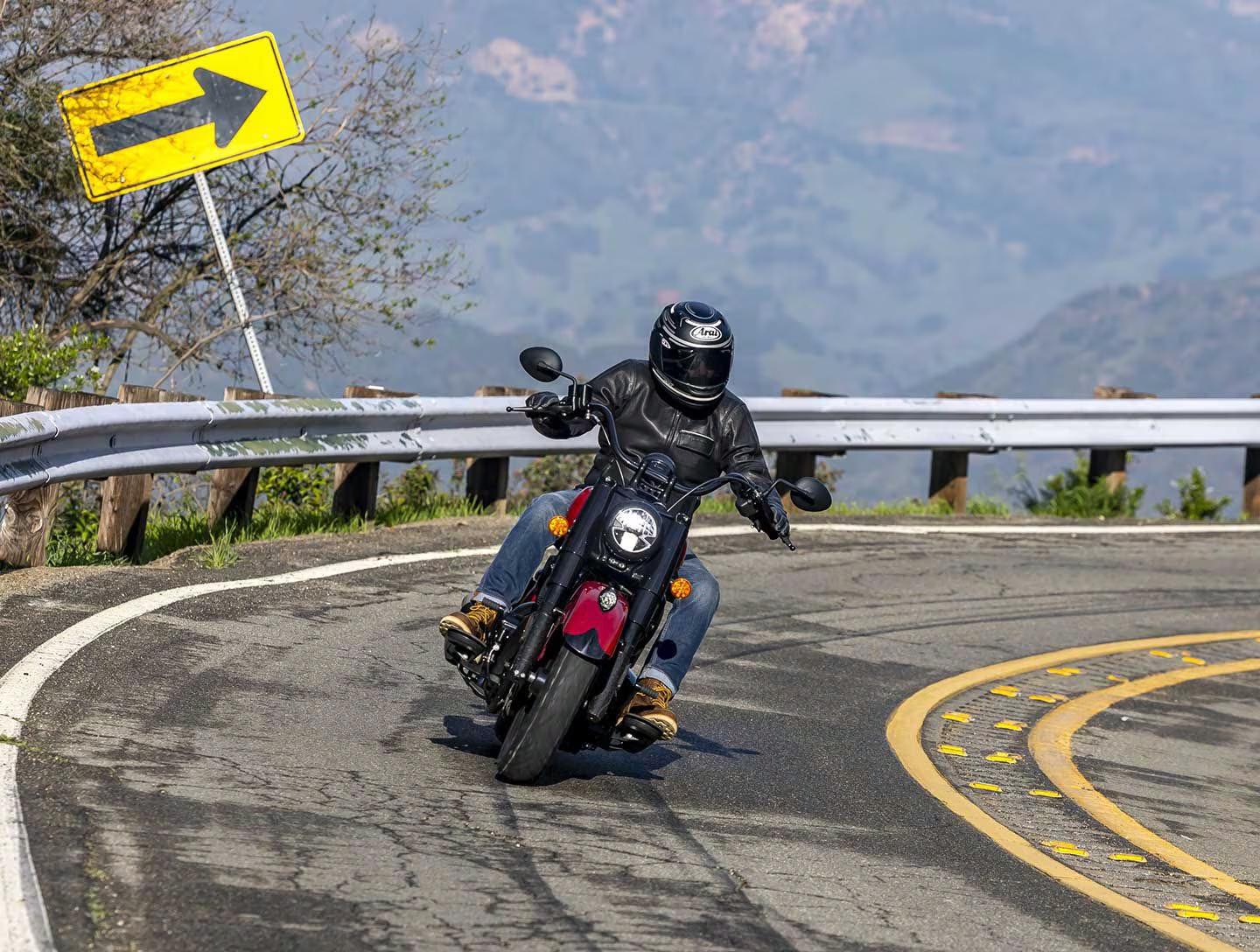
Power and style in 1940s-era tribute with Thunderstroke 116 motor.
By Andrew Cherney | cycleworld.com
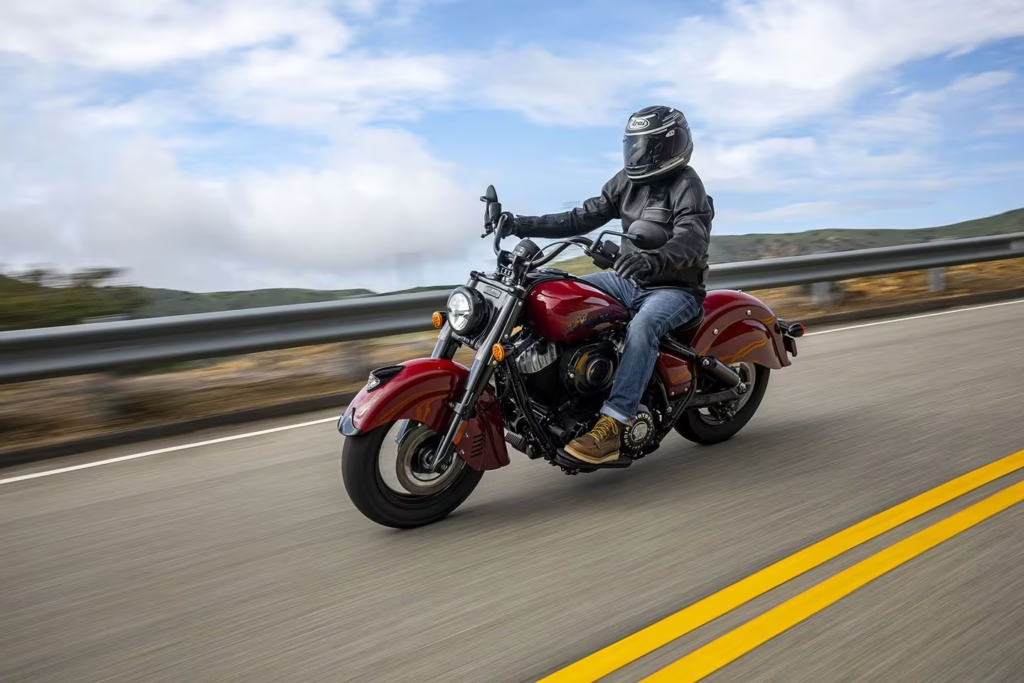
“This was the bike we already had in our minds when we did the big Chief redesign back in 2021,” Director of Product Design at Indian Motorcycle Ola Stenegärd told assembled media at the unveiling of the new Indian Chief Vintage at the Petersen Automotive Museum in Los Angeles. “The inspiration was pretty much a no-brainer for this motorcycle…Indian Chiefs from the 1940s remain one of the most recognizable motorcycles in American history.”
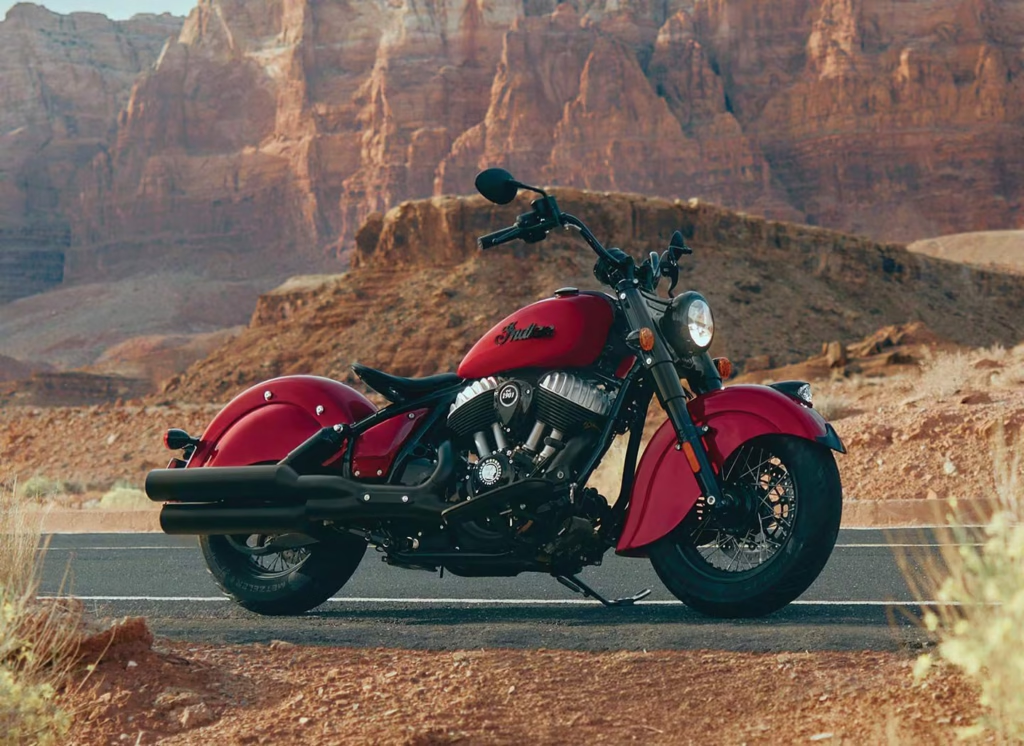
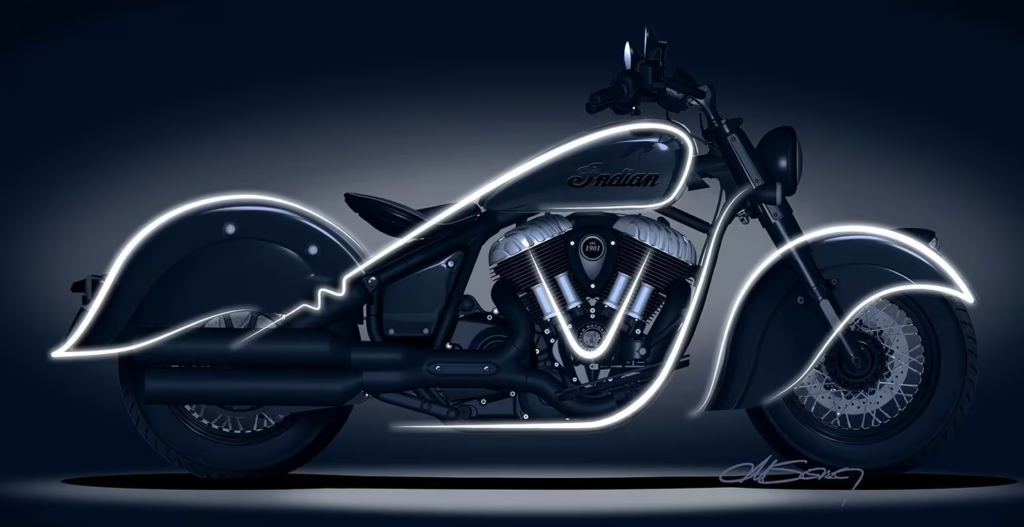
And on that point, it’s hard to argue that the new Vintage hasn’t hit the mark, with its flowing, valanced fenders, wire wheels, air-cooled V-twin, and illuminated fender light coming off as a spot-on homage to those very first Chiefs with skirted fenders. Maybe that’s why the reveal came at the Petersen Automotive Museum, one of the premier shrines to US automotive history, but, also, it’s Indian’s 125th anniversary this year. So maybe just having a world-renowned museum host the party felt like the right move.
One hundred twenty five years of brand existence is not nothing, but you also can’t ignore the elephant in the room; new owners Carolwood LP had just taken a majority stake in Indian and lots of folks were wondering what would come next. Stenegard however, was resolute in his belief that with Indian now being a standalone entity, it was freer to focus just on designing and building motorcycles.
Related: 2026 Indian Chief Vintage First Look
Design and Styling
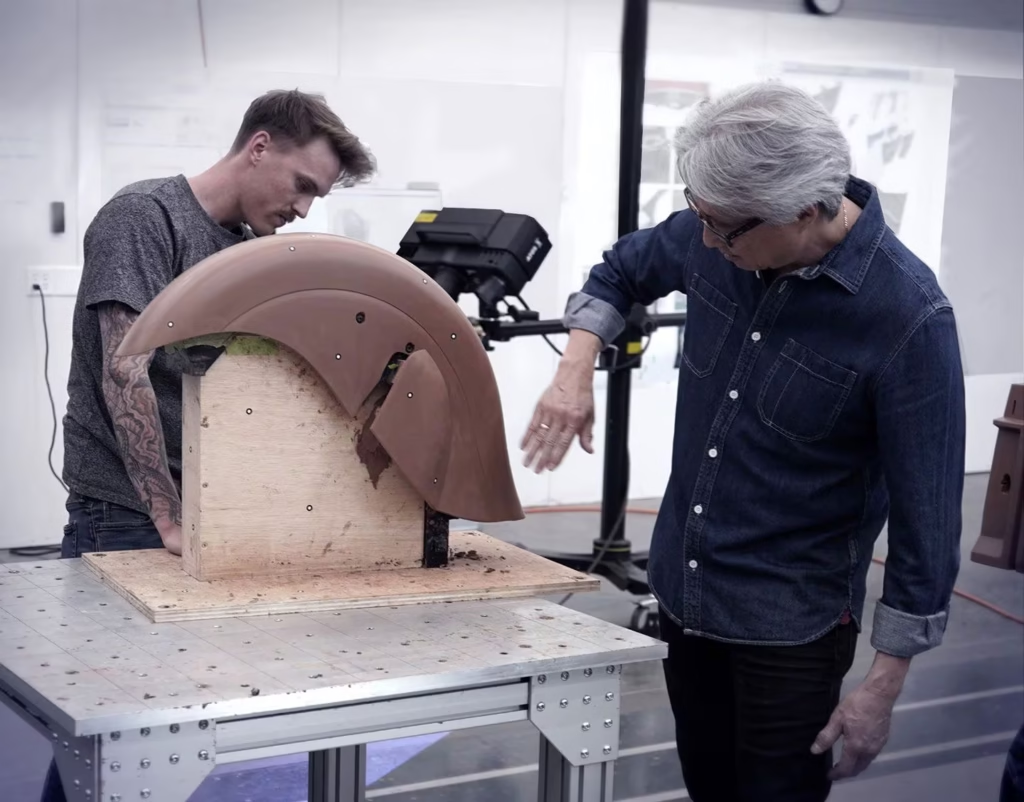
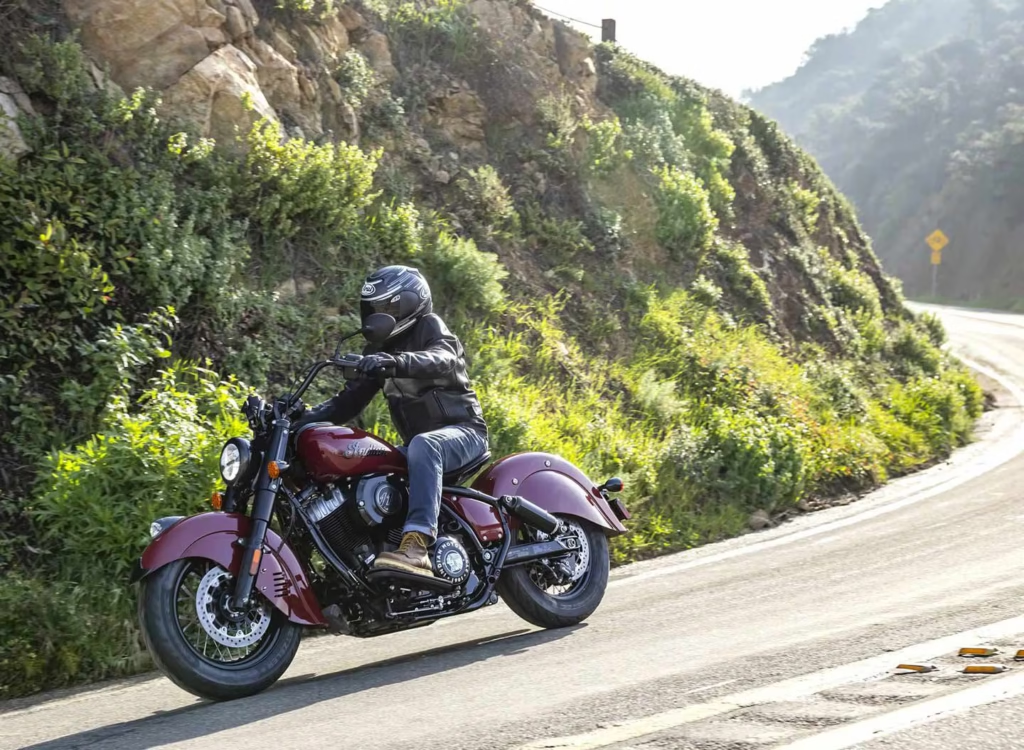
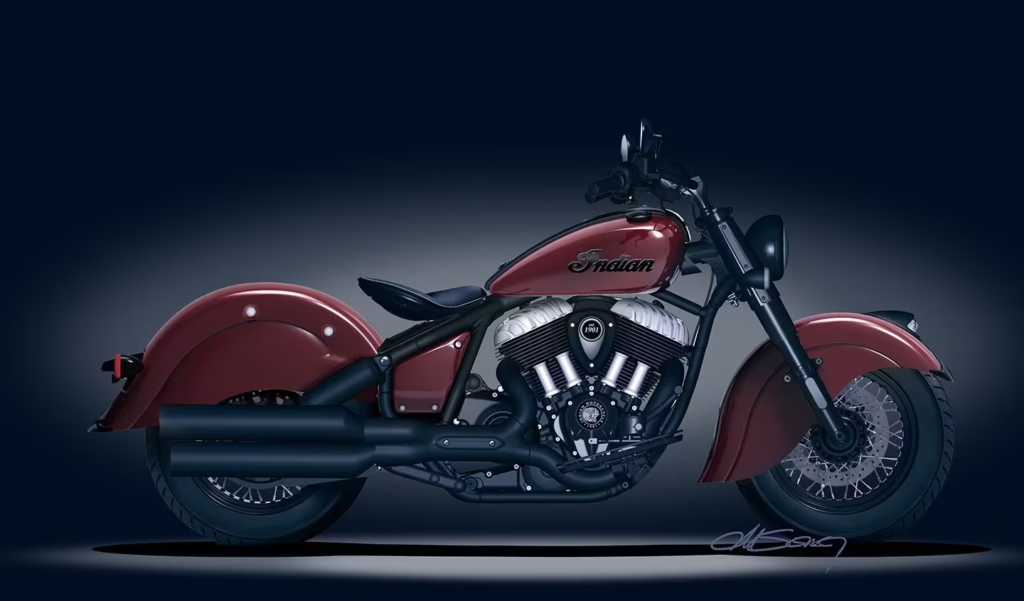
At the bike preview meet-and-greet, Indian made clear that styling was a top priority and unquestionably, the Chief Vintage nailed the visuals; it looks like the design team had a field day resurrecting the flowing shapes of 80-year-old fenders that in turn complemented a minimalistic floating solo seat hovering above the Thunderstroke 116 engine’s blacked out cylinders—all a nod to the manufacturing process of the 1940s. The fenders themselves required “endless tries to get a single piece of metal, folded a bunch of ways, to come out looking amazing,” according to Stenegard. To make it all work proportionally, the rear fender was actually narrowed, which meant the rear tire had to be narrower too; it’s the same 150-section donut as on Scout, versus the 180 on other Chiefs. As for the rest of the classic cues, Stenegard admits, “we almost cherry-picked all the best bits from different Chiefs of the era, from the 1940 and ‘41 models… all the way to the ’42 and on up.”
Those bits also include the trademark illuminated headdress peeking out over the front fender, wire-spoke wheels and a blacked-out frame, fork, shocks, bars and much of the powertrain. Having ridden Polaris’ first Indian Vintage redo back in 2014, I appreciate the newer bike’s trimmer, leaner proportions and less opulent bodywork, with a quieter silhouette and stance. The whitewalls and heavy-handed chrome pieces were gone, the lines less Rubenesque, and thankfully, the fringe nonexistent. This new Chief Vintage comes across less as a gaudy token “tribute” and more as a classic bike with some measure of style that can still be ridden with intent.
Engine and Chassis
Along with the very lovely styling, Indian chose to go with the more appropriate two-valve, air-cooled Thunderstroke 116 V-Twin engine, rather than any of the company’s more modern liquid-cooled DOHC mills. The 1890cc Thunderstroke retains the same internals, and outputs the same claimed 120 lb.-ft. of peak torque as the other Chiefs, but gets a bit of a 1940s-era glow-up, with silver painted heads and pushrod tubes to mimic the finishes on older bikes, but no chrome to distract from the overall styling. Indian didn’t release horsepower figures, but on our Cycle World dyno, the 2024 Sport Chief equipped with a Thunderstroke 116 motor produced 73.7 hp at 4450 rpm.
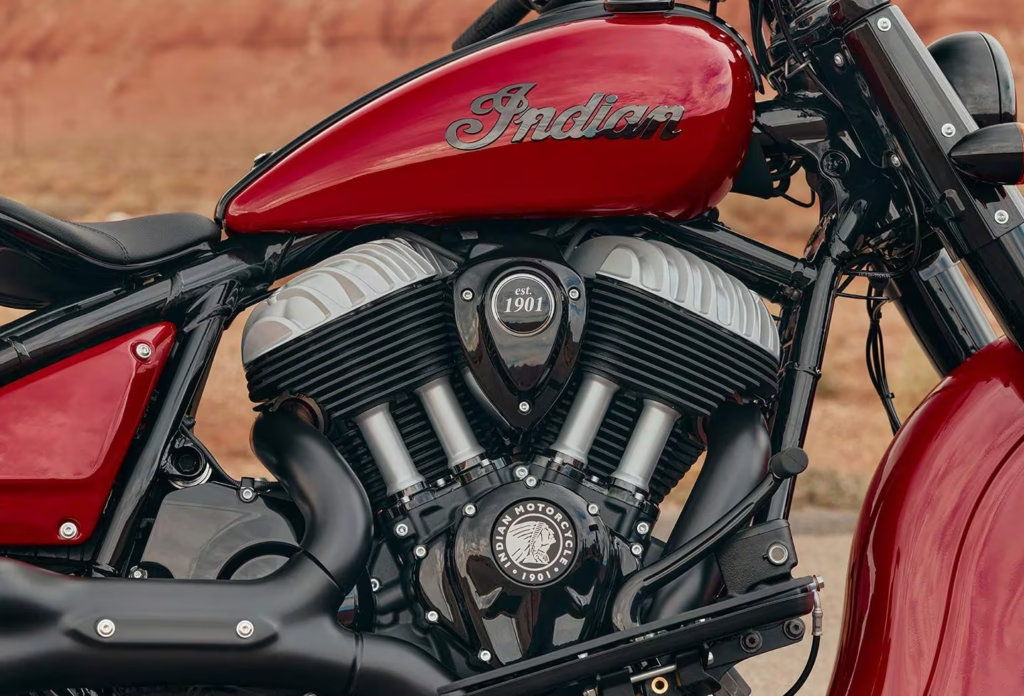
Boil things down even further, and you’ll still find very few surprises under the hood. There’s the same steel tube frame (though a slightly different rear subframe) unchanged 4-gallon tank, and matching dual exhausts as its stablemates. The song remains the same for the suspension and braking system, with a nonadjustable 46mm fork upfront offering 5.2 inches of give and dual rear shocks good for a mere 3 inches of travel. Braking carries over as well, with a single 298mm disc up front clamped by a four piston caliper and the same size floating disc out back paired to a 2-piston caliper, rolling on 16-inch wheels with axles set 64 inches apart. As we mentioned earlier, the rear wheel size is unique to the Vintage, with a narrower 150/80B-16 hoop to match the new rear fender.
Related: 2014 Indian Chief Vintage and Chieftain Bagger – First Ride
Electronics
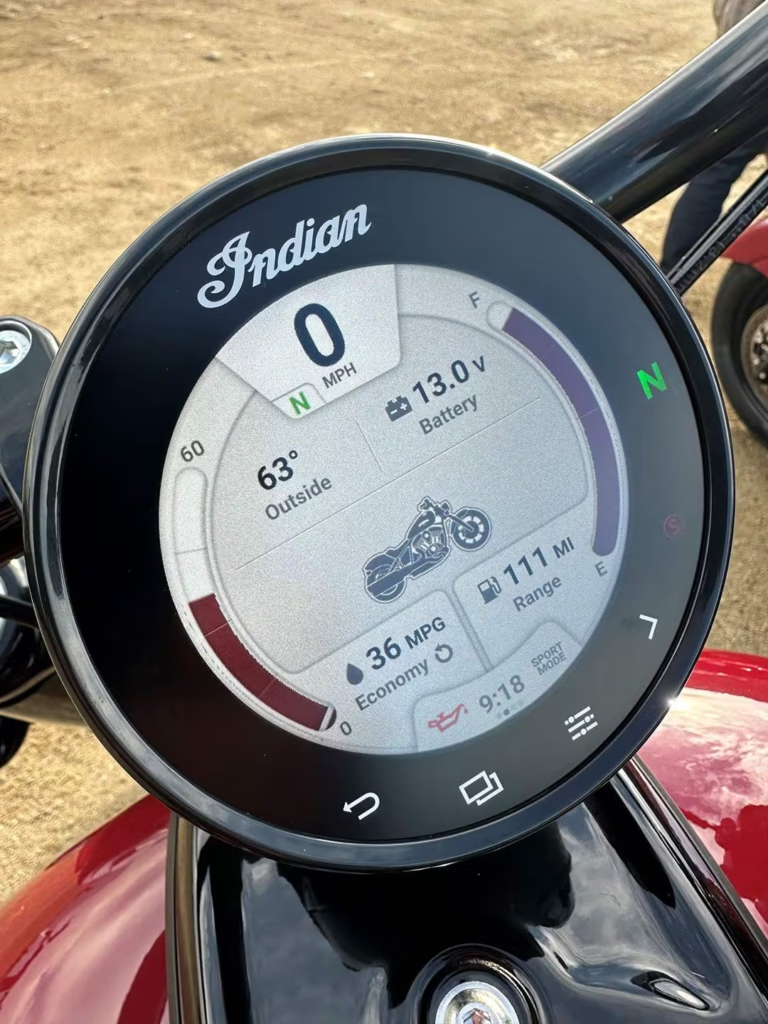
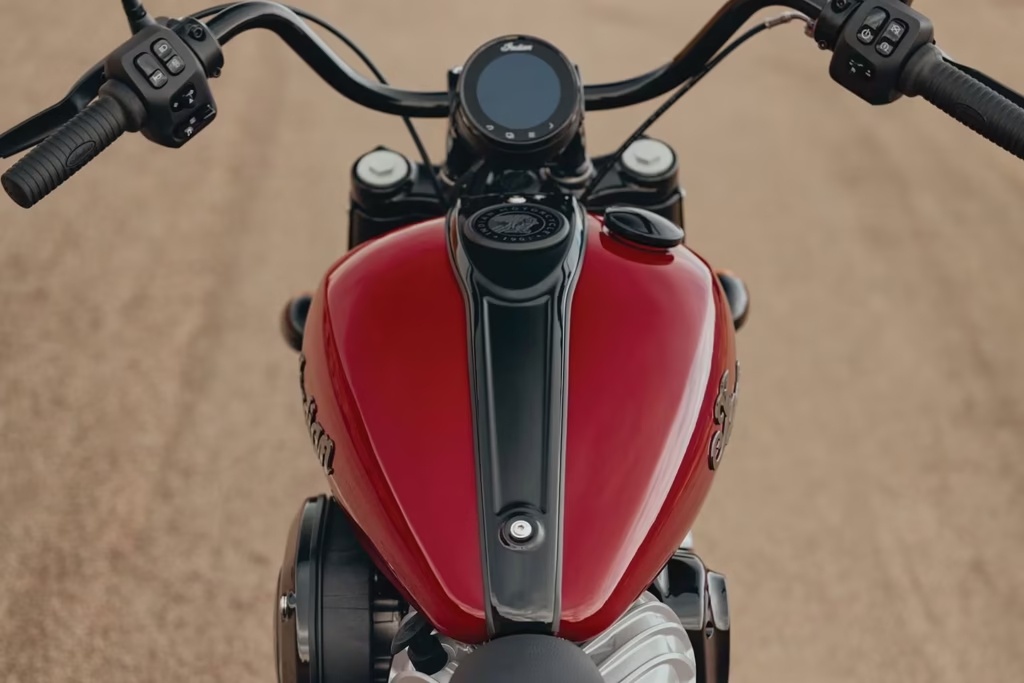
As on other 116 engine-equipped models, you get throttle-by-wire, cruise control, ABS, and rear-cylinder deactivation as standard. Indian’s Ride Command system is included as well, displayed on the familiar circular 4-inch TFT touchscreen (with updated, faster-booting software this year). From that display you can toggle through three ride modes, including Sport, Standard, and Tour, and you have the ability to control calls and music if you pair it to a wireless helmet comm system. That touchscreen is also compatible with Google Maps, Waze, and Apple Maps on your phone. LED lighting and a USB charging port round out the list of standard features.
The Ride
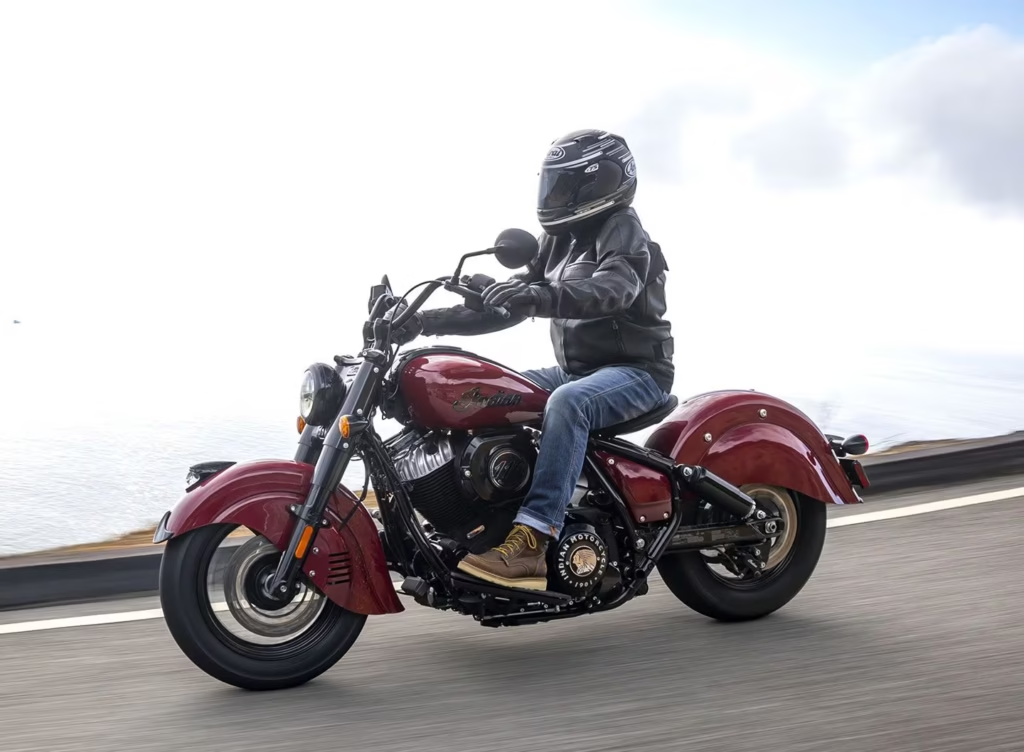
Onboard, there’s nothing really retro about the Vintage (Indian prefers the term “classic”); you’re greeted by that clean, round color display with ride modes, traditional handlebar switchgear, and a keyless ignition. The ergonomic setup is nice and neutral too, with the slightly wider and taller handlebar sweeping back for an easy reach and the long, roomy floorboards working together with a low 27-inch seat to make for a seating position that should accommodate all but the rangiest of physiques. (It’s an easy fit for my 5-foot-7 frame, but 6-footers might have a different experience).
Saddling up and engaging the start sequence is pretty familiar fare for anyone who’s ridden an Indian in the last three years. Press the start button, wait for Ride Command to boot up onscreen (despite the new software, start-up still takes longer than we’d like) and hit the ignition switch. The big air-cooled V-twin barks to life with a low rumble, confirming that an 1890cc pushrod V-twin is the right candidate for the job. It’s definitely got plenty of visual and sonic heft right off the bat.
For our ride, Indian was savvy enough to trace a 150-mile route that included the sparkling Pacific Ocean as a backdrop, on one of the most classic and scenic of American roads near a major city — the Pacific Coast Highway and its surrounding canyon-carving lanes in Malibu, California. But to get to that promised land, we first had to leave our hotel in the middle of LA, and that meant a fairly long stretch of lane-splitting through traffic.
Weaving in and out of the rush hour maze means a lot of constant clutch and brake work, and for a big bike with an air-cooled engine, the Indian’s cable-actuated clutch comes out with decent (but not great) marks; feel is a bit dull, but engagement not too abrupt. Also on the plus side, gear shifts are positive, coming not with a snick, but with a thump, and clutch and gear engagement is predictable. Still, it would have been nice to have adjustable levers. And although the single front disc brake suits the classic vibe on the Vintage, from a functional standpoint it’s only just about adequate. Couple this with pretty vague feel through the front lever, and quick application for brisk stops is a five-finger affair. There’s enough power for these kinds of solid stops, but you have to give it a good squeeze to get the job done. Or better yet, front and rear brakes (which aren’t linked).
Once the conga line of Teslas clears and the highway opens up, the Chief Vintage is in its element. At 80 mph, the Thunderstroke 116 is barely brushing 3000 rpm in sixth gear, and it’s got plenty more to give. The throttle responds dutifully if not instantaneously, but then I don’t expect a snappy response from a classic cruiser anyway. Wind open the loud handle and the Vintage leaps forward, with a little vibration through the handlebars, but nothing really annoying, and you feel a satisfying rumble from the V-twin.
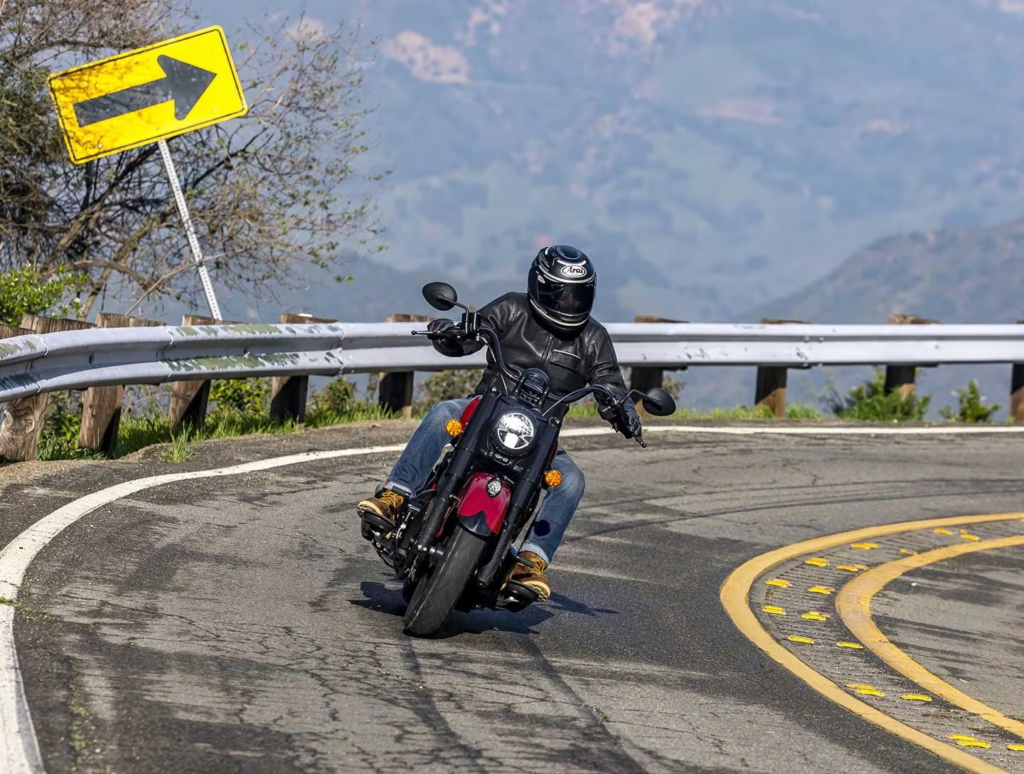
Despite the rain-dampened roads and some sandy shoulders in Malibu, it turned out to be the perfect environment to suss out the Vintage’s low-speed manners.
I’m a bit wary of taking a long bike with a low seat and big floorboards sporting a 29-degree rake down a series of narrow, decreasing-radius canyon roads, but the Vintage’s 5.2 inches of trail and narrow rear tire make it surprisingly responsive partner, and the low center of gravity gives it a well-balanced feel.
Handling is by no means quick, but it’s predictable, with the Chief dropping into turns with a bit of muscle at the bars. The chassis dutifully follows the intended line, with a stable feel throughout. You will find the Vintage’s limits in short order though; with a listed spec of 28.5 degrees of maximum lean angle, touching down the floorboards is inevitable, though it happens not nearly as much as expected.
Hours of sweeping corners and awesome views can sometimes make you forget about snotty roads covered with occasional sand and rocks, but it took just the one time we felt the rear Metzeler Cruisetec (the tire choice suggests Indian sensibly went for longevity here over outright grip) step out in a dirty turn to remind me to keep the throttle pull light — and switch ride modes from Sport to Standard. After all, there’s no traction control. At certain points in the canyons, when lugging the engine in lower gears and parking lot speeds, the Vintage’s vague throttle and clutch can make quick transitions and precise applications a slight challenge, but these are nitpicks that are overcome once you become more familiar with the controls.
I’m reminded to rethink my exit strategies out of sharper corners though, too; if you wind the throttle out hard from the lower gears, the Vintage’s 5000-rpm redline will find you quick and shut things down. Short-shifting to stay in the meat of the powerband is the better play here.
Our ride was on mostly flat pavement where the Vintage’s suspension comes through as surprisingly smooth, even with just 3 inches of travel out back. The fork is well-damped and tuned, with no wallowing in deeper depressions and a consistent feel throughout most of our ride; even dive under braking is minimal.
The twin, inclined shocks, despite their short travel, performed better than expected, with consistent compression and rebound. But they eventually met their match on the storm-buckled asphalt of Deer Creek Road, where I was launched out of the saddle while navigating a particularly gnarly stretch of pavement. Not surprising, but also better than expected.
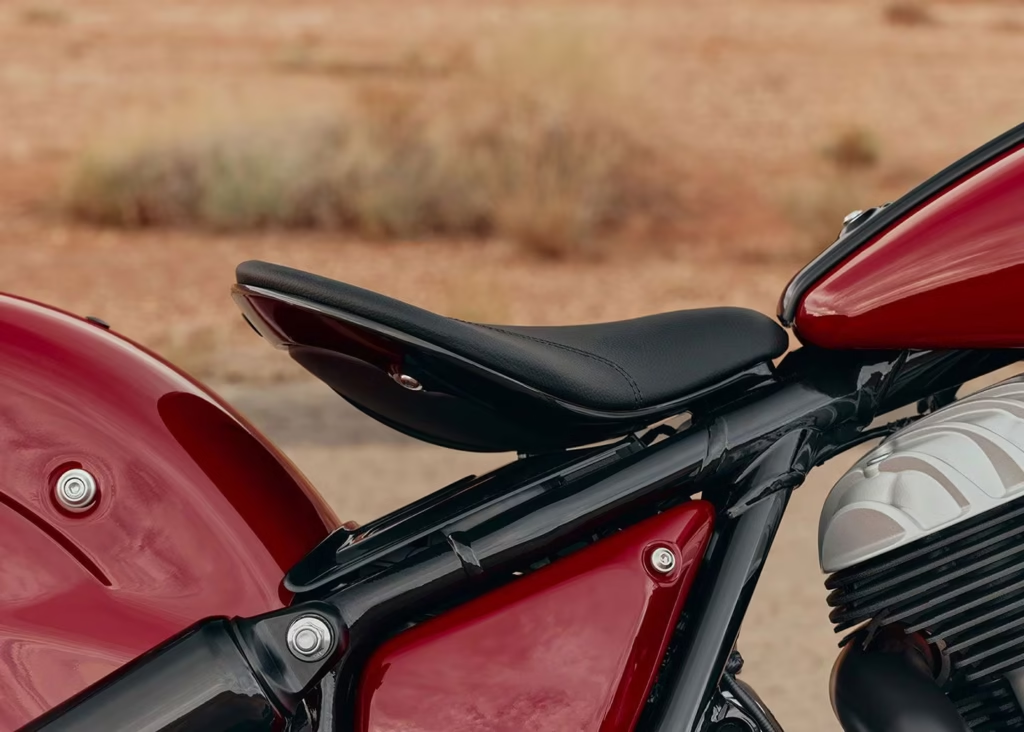
I’ll also admit that the Vintage’s crazy-thin seat had me somewhat leery from the outset. Would that plank prove to be an exercise in masochism, or would it hold up well after
a full day’s ride? Welp, 6 hours and 155 miles later, as we rolled back to the staging area and I stepped off the bike, there was nary a dead spot or pressure point in the old keister, and my spine felt fine. Sure, that saddle locks you into one position so body movement isn’t always an option, but I didn’t feel like I was on a trampoline or a brick; somehow Indian has built a perch that’s both supportive and comfortable. Not only that, but they nailed the old tractor seat look.
In the miscellaneous department, I’d have to call out the round touchscreen as an unobtrusive way to deliver modern info and functionality on a bike that’s clearly a nod to the past. When it’s off, the screen blends into the rest of the bike’s design, and when it’s on, riders get necessary features like bike and ride info, ride mode selection, and navigation in an easy-to-read format. It’s not bleeding-edge tech, but for this bike, totally appropriate and the user interface is fairly simple to navigate. Start up is still laggier and slower than we’d like, but we’re guessing that could be addressed in forthcoming updates.
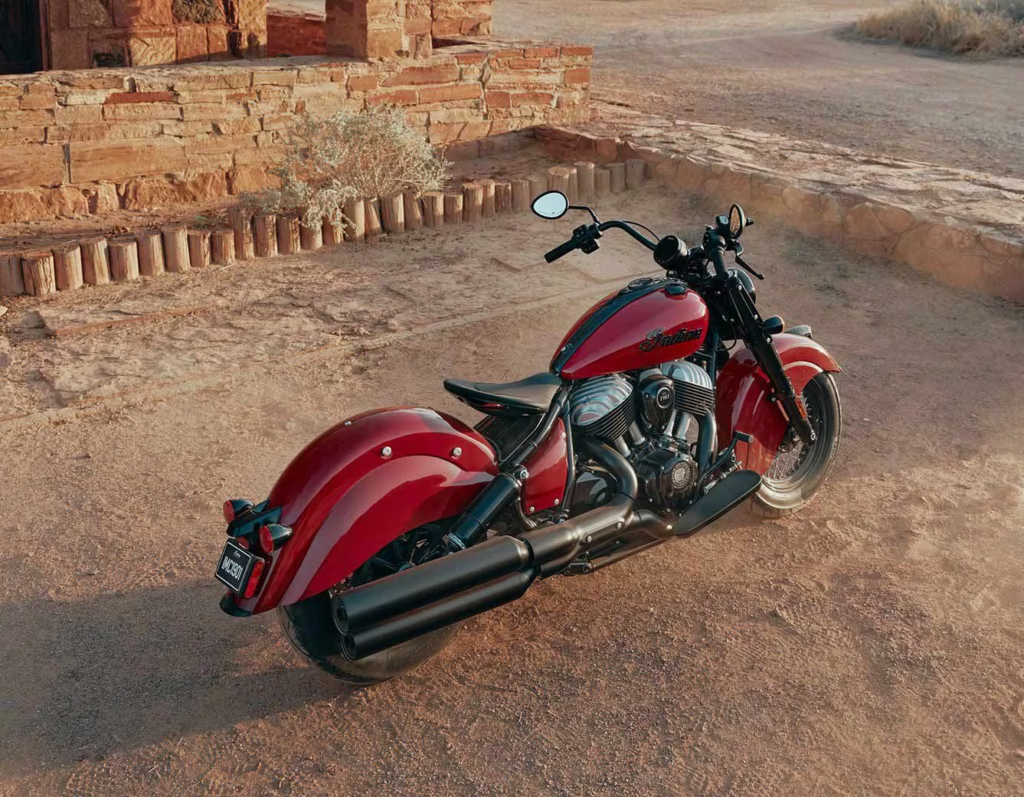
Fit and finish on the Vintage is fairly up to snuff, with rich, deep paint, smooth welds, and nicely integrated covers, and the more glaring missteps from past models —uneven paint, poorly applied decals, etc —- seem to have been addressed. That said, there’s still some wiring that needs to be better routed, with an especially thick loom exiting out of the Vintage’s headlight and Ride Command display, and hanging down to obstruct that charming “window” view behind the fork and neck.
After the ride, another journo leaned over and whispered, “So is this a parts bin bike?”
I hadn’t considered that, but from a certain perspective, you could certainly make that argument. Everything from the frame, engine and tank to the suspension, brakes, switchgear, lighting and gauge are all shared with the other Chiefs. The only parts unique to the Vintage are the fenders, rear subframe, and rear wheel. The cylinders have as-cast fins, and engine finishes are changed to suit the vibe. Indian certainly isn’t breaking any new ground here, whether mechanically, ergonomically or with electronics. But visually? It’s a standout. This is very much the cruiser-design playbook.
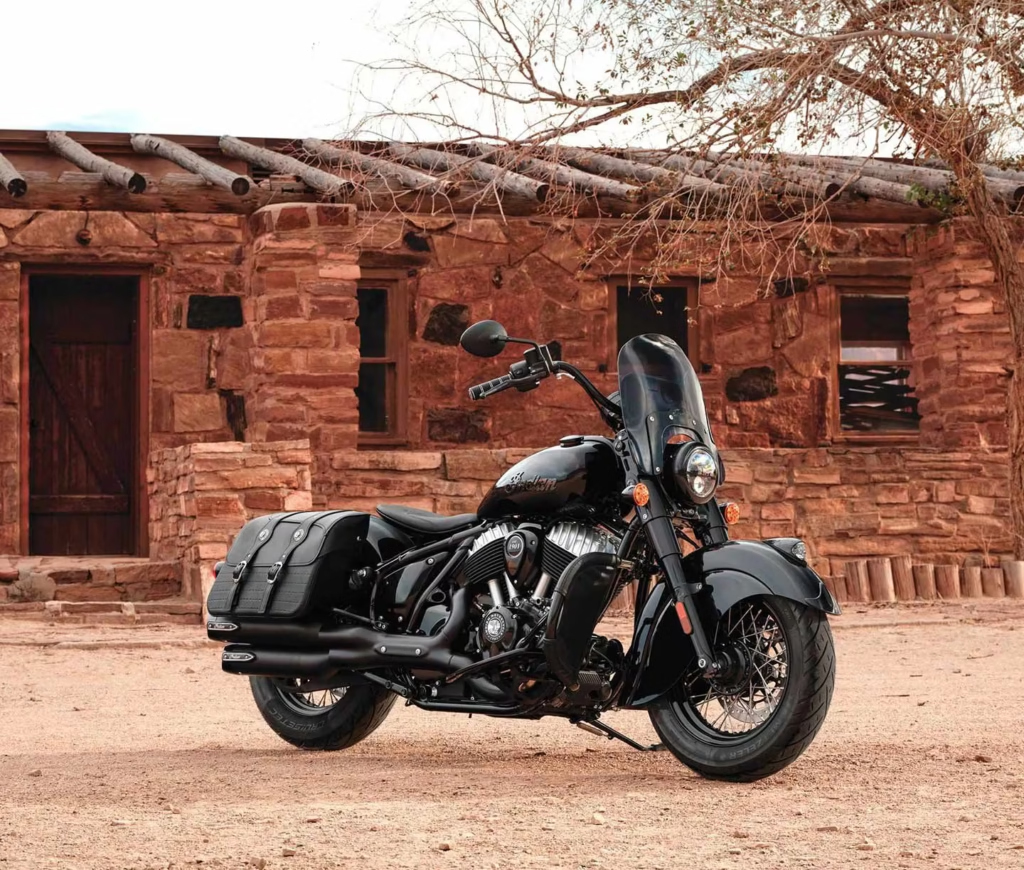
Indian also had an accessorized model on hand, outfitted with a quick release Low Windshield, saddlebags, and Pathfinder light, which Indian says are compatible with the other Chief models.
Chief Pricing
At the end of the day, Indian has taken a step to reaffirm its future by leaning into its legacy. With the new Chief Vintage, it’s built a well-designed, thoroughly competent motorcycle that’s big on style, and that signals a new chapter for a brand that likes to call itself America’s oldest (never mind the 75 years of inactivity). It’s a lovely, easy to ride cruiser that will turn heads while leaning into a simpler, stripped down ethos without a lot of technology. The new leadership says they want to build on what they have, but what comes next will be the true test.
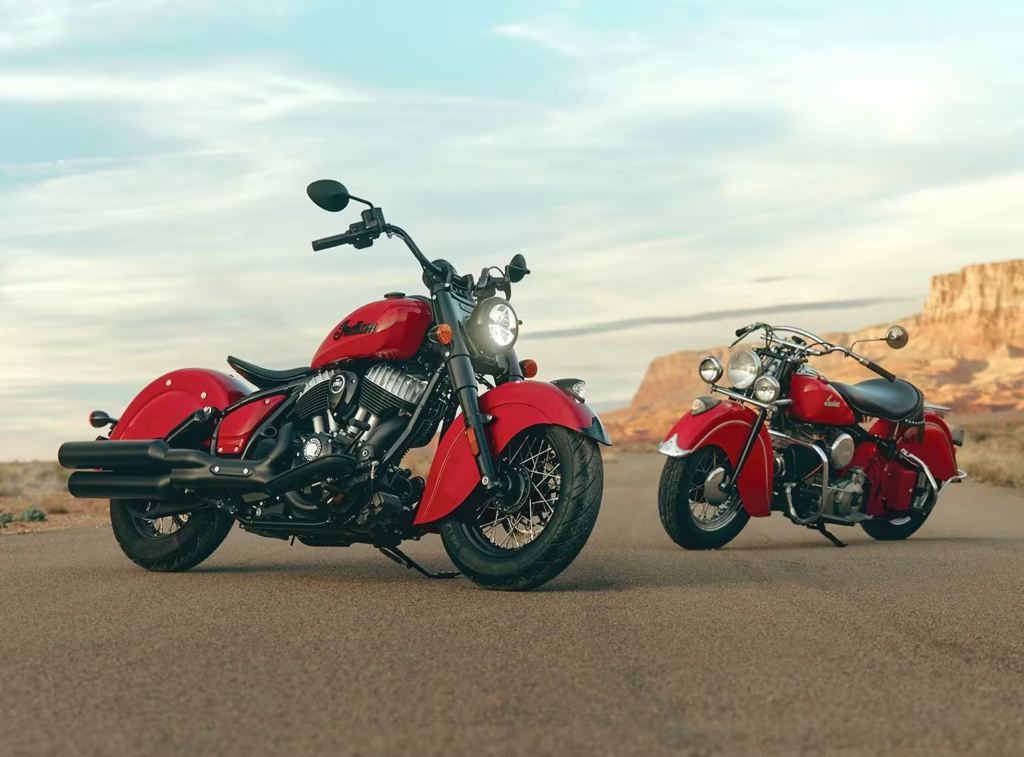
Pricing for the 2026 Chief Vintage starts at $19,999 for Black Metallic, and goes up to $20,499 for Indian Red, which makes it a bit more expensive than the base Chief and Chief Bobber. Indian says bikes will be arriving at dealers in March.
2026 Indian Chief Vintage Specs
| MSRP: | $19,999 (base) |
| Engine: | 116ci (1890cc), air-cooled, 49° V-twin |
| Bore x Stroke: | 103.2 x 113.0mm |
| Compression Ratio: | 11.0:1 |
| Transmission/Final Drive: | 6-speed/belt |
| Torque(Claimed): | 120 lb.-ft.@ 2,900 rpm |
| Fuel Delivery: | Closed-loop fuel injection w/ 54mm throttle body |
| Clutch: | Wet, multiplate; cable actuation |
| Engine Management: | Ride-by-wire |
| Frame: | Steel tube, cast aluminum rear subframe |
| Front Suspension: | 46mm telescopic fork; 5.2 in. travel |
| Rear Suspension: | Dual shocks; 3.0 in. travel |
| Front Brake: | 4-piston caliper, floating 298mm disc w/ ABS |
| Rear Brake: | 2-piston caliper, 298mm floating disc w/ ABS |
| Wheels, Front/Rear: | Wire spoke; 16 x 3.0 in. / 16 x 3.5 in. |
| Tires, Front/Rear: | Metzeler Cruisetec; 130/90B-16 / 150/80B-16 |
| Rake/Trail: | 29.0° / 5.2 in. |
| Wheelbase: | 64.0 in. |
| Ground Clearance: | 4.9 in. |
| Seat Height: | 27.0 in. |
| Fuel Capacity: | 4.0 gal. |
| Claimed Wet Weight: | 721 lb. |
| Contact: | indianmotorcycle.com |